Blog / Maintenance Tips

Blog

All Maintenance Tips Germantown Honda Dealer Trims and Features Criswell Honda Advanced Technology Criswell Honda Service Family Honda Car 2025 Honda Models Honda Maintenance Honda HR-V Honda Safety Features Honda Civic Sedan Honda CR-V Honda Lease Deals Germantown MD Honda SUV Buy or Lease Honda Passport Towing Capacity Certified Pre-Owned Honda Germantown Honda Service Honda Accord Service and Parts Financing Civic Hybrid CPO Germantown Used Cars Honda Ridgeline Honda Dashboard Warning Honda Hybrid Models Honda Trucks Warning Lights Meanings 2027 Honda HR-V 2027 Honda Prelude Hybrid American Made Honda Models Criswell Honda Awards 2025 HomeLink Remote System Honda CR-V Hybrid Honda Finance Honda Hybrid SUV Honda Odyssey Honda Pilot Honda Prologue Horsepower Order Genuine Parts Sprint Maintenance Tax Refund
Honda riding within city in mid-night.

Honda Warning Lights: Your Car Is Trying to Tell You Something

Honda Warning Lights: Your Car Is Trying to Tell You Something Honda warning lights aren't there for decoration. They're the vehicle's way of telling you that a system needs attention, and sometimes they're telling you to do something about it right now. The trick is knowing the difference. Some dashboard lights point to routine maintenance or a condition you can check yourself. Others can indicate a problem serious enough to stop driving. For Honda owners around Germantown, MD, understanding a few of the most common symbols can make that decision considerably easier. The Check Engine Light Covers a Lot of Ground Few Honda warning lights are as familiar—or as vague—as the check engine light. It can illuminate for several reasons, ranging from a loose fuel cap to a problem involving an engine sensor or emissions component. Because the light itself doesn't identify the failed component, proper diagnosis is important. If it stays illuminated, schedule an inspection instead of replacing parts based on a guess. A flashing check engine light can indicate a more serious condition, so reduce driving and have the vehicle inspected promptly. Low Oil Pressure Deserves Immediate Attention The oil-can symbol is one warning you don't want to test your luck with. An illuminated oil pressure warning light can indicate that the engine isn't maintaining sufficient oil pressure for proper lubrication. If it appears while driving, find a safe place to stop, shut off the engine, and consult your owner's manual or contact a service professional. Continuing to run an engine without adequate oil pressure can cause significant internal damage, turning one dashboard light into a considerably larger repair. A Battery Light Isn't Just About the Battery The battery-shaped warning light points to the vehicle's charging system, which means the battery itself isn't necessarily the culprit. An alternator problem, electrical connection, drive belt issue, or another charging-system fault may be responsible. The vehicle can continue operating for a limited period using stored battery power, but once that charge is depleted, you're going nowhere. If the battery warning appears while you're driving, minimize unnecessary electrical loads and arrange for the charging system to be inspected. TPMS Is Asking You to Check the Tires Honda's Tire Pressure Monitoring System can alert you when tire pressure drops below the appropriate level. Low pressure can affect handling, tire wear, and fuel economy, so the TPMS light deserves more than a glance. Check all tires when they're cold and inflate them according to the pressure listed on the vehicle's tire-information label, commonly located inside the driver's door jamb. If one tire repeatedly loses pressure, have your tires inspected for a puncture, valve problem, or other source of air loss. Maintenance Minder Keeps Routine Service on the Radar Not every light means something has gone wrong. Honda Maintenance Minder is designed to help owners keep track of routine service based on vehicle operating conditions. It can indicate when services such as an oil change, tire rotation, or other maintenance are approaching. Following those reminders and the recommendations for your specific Honda helps address normal wear before neglected maintenance creates additional problems. Red and Amber Lights Don't Tell the Same Story Color can provide a quick indication of urgency, but your owner's manual should always be the reference for the specific symbol in your Honda. A red warning generally deserves immediate attention and may mean the vehicle should be stopped as soon as it can be done safely. Amber or yellow indicators commonly identify a system that needs inspection without necessarily requiring an immediate stop. If you don't recognize a symbol, don't rely on a guess. Check the manual and arrange professional Honda service when needed. Put a Name to That Dashboard Light at Criswell Honda Knowing what Honda warning lights mean takes some of the mystery out of that illuminated dashboard. The check engine, oil pressure, charging-system, TPMS, and Maintenance Minder indicators all communicate different things, and responding appropriately can help protect the vehicle from additional damage. Drivers around Germantown, MD, can visit Criswell Honda for diagnostic service, routine maintenance, and help identifying the cause behind a warning indicator. Schedule a service appointment online when your Honda starts asking for attention.


Honda HR-V moving around city.

2027 Honda HR-V: Features, Updates, and What Maryland Drivers Need to Know

The 2027 Honda HR-V is generating real buzz, and for good reason. Honda has refreshed this subcompact crossover SUV with a modern design and smart functionality that appeals to a wide range of buyers. Whether you're commuting through city streets or heading out on a weekend adventure, the HR-V is built to fit your lifestyle. Here's what drivers in Germantown, MD need to know before visiting a Honda dealership. A Fresh Look With Modern Form The 2027 Honda HR-V brings a refined exterior that balances style with purpose. Honda describes it as "modern form, smart function," and that philosophy shows in how the vehicle carries itself on the road. The Sport trim, shown in Milano Red, pairs a bold stance with available all-wheel drive, making it a compelling choice for drivers who want personality and practicality in one package. The HR-V's clean lines and upright profile aren't just for looks. They help maximize interior space, giving passengers and cargo room to breathe without inflating the vehicle's overall footprint. Interior Space and Smart Functionality One of the HR-V's strongest selling points is how much usable space it packs into a compact body. Honda's design prioritizes practicality, making the cabin feel considerably larger than the exterior suggests. Rear passengers benefit from generous headroom and legroom, while the cargo area is thoughtfully laid out for everyday hauling. Technology and comfort features continue to be a focus in the 2027 model year. Honda has built the HR-V to serve drivers who want a connected, comfortable experience without overcomplicating things. For commuters and families in the Germantown, MD area, that balance is especially valuable. Available All-Wheel Drive for Maryland Roads Maryland drivers face a variety of road conditions throughout the year, from summer heat to winter weather. The 2027 Honda HR-V offers available all-wheel drive, which adds traction and confidence when conditions aren't ideal. The 2027 Honda HR-V Maryland shoppers are exploring comes with a starting MSRP of $26,600, making it one of the more accessible entries in Honda's SUV lineup. The available all-wheel drive EX-L trim is priced starting at $31,950, offering a well-rounded feature set for buyers who want more capability without stepping into a larger vehicle. Honda Genuine Accessories and Personalization Honda gives HR-V buyers a solid foundation to build on, with Honda Genuine Accessories available to customize the vehicle to fit individual needs. From roof boxes to exterior styling elements, there are options to make your HR-V feel uniquely yours. This level of personalization, combined with Honda's reputation for reliability, makes the 2027 Honda HR-V Maryland drivers a smart long-term investment. Honda Genuine Accessories are designed specifically for each model, so everything integrates cleanly with the vehicle's existing systems. How the HR-V Fits Into the Honda Lineup The HR-V sits between the smaller Civic and the mid-size CR-V in Honda's SUV family, filling an important role for buyers who want SUV versatility without the bulk. It's larger than a traditional compact car but easier to maneuver and park than a full-size crossover. For drivers who want to explore Honda's full SUV range, the lineup also includes the CR-V, Pilot, and Passport, each offering progressively more space and capability. The HR-V, though, earns its place by doing a lot well in a smaller package. Come See the 2027 Honda HR-V in Person The 2027 Honda HR-V is ready to impress, and the best way to appreciate it is behind the wheel. With a fresh design, available all-wheel drive, and Honda's trusted build quality, it checks a lot of boxes for practical-minded buyers. Stop by and explore your options - the right trim and color combination might be closer than you think.

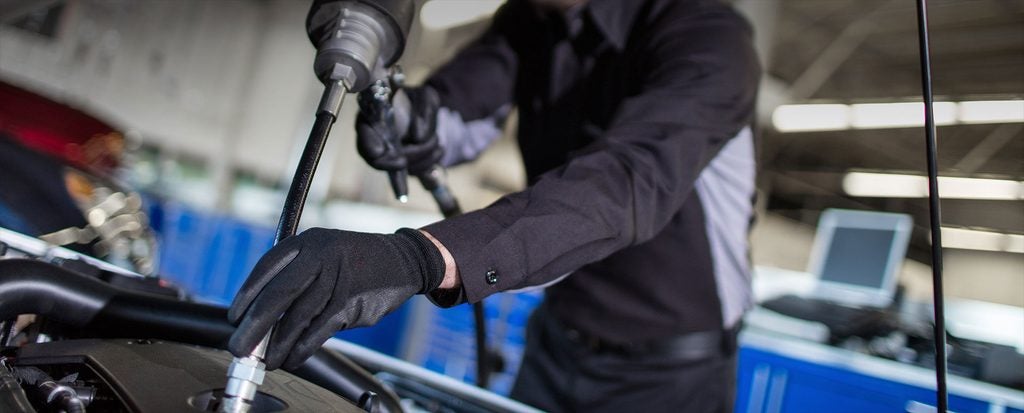
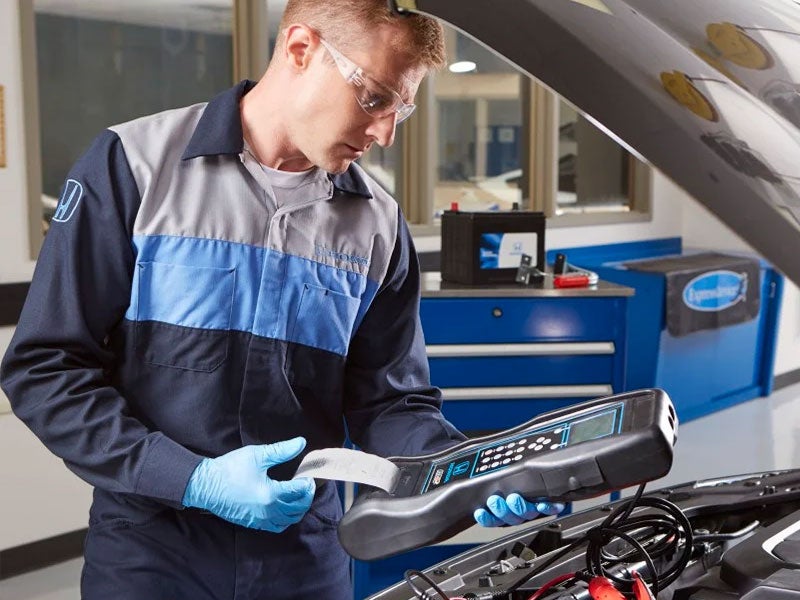
Honda vehicle is getting service by expert.

What Are the Honda Maintenance Minder Codes and What Do They Mean? A Guide for DMV Drivers

Honda vehicles are designed to take the guesswork out of routine upkeep. The Honda Maintenance Minder system monitors your vehicle's operating conditions and tells you exactly when service is needed - no more relying solely on mileage stickers or calendars. If you drive in the DMV area, understanding these codes can help you stay ahead of repairs and keep your Honda running its best. What Is the Honda Maintenance Minder System? The Honda Maintenance Minder Codes system was developed to give drivers timely, accurate alerts based on real driving data. Rather than recommending service at fixed intervals, the system tracks factors like engine revolutions, temperature, and driving conditions to calculate when maintenance is actually due. When a service is needed, a wrench icon appears on your instrument cluster along with an alphanumeric code. That code tells you - and your service technician - exactly what needs attention. Honda Maintenance Minder Codes explained simply means: each letter or number points to a specific type of service. Understanding the Main Code: Oil Life The primary code you will see is Code A or Code B, which both relate to engine oil. Code A means your Honda needs an oil change. Code B goes a step further and includes an oil change plus a tire rotation, brake inspection, and a check of several other vehicle systems. Honda Maintenance Minder Codes are designed to be clear and actionable. When you see Code B appear, it is a good time to schedule a full service appointment so your technician can address everything at once. What the Sub-Codes Mean After the main code (A or B), you may see one or more numbers. These sub-codes identify additional services needed alongside the oil change. Here is what each one means: Sub-code 1 indicates tire rotation if it was not already performed. Sub-code 2 points to air cleaner element replacement, drive belt inspection, and pollen filter replacement. Sub-code 3 means it is time to replace the transmission fluid. Sub-code 4 calls for spark plug replacement and valve clearance inspection. Sub-code 5 refers to engine coolant replacement. Sub-code 6 indicates rear differential fluid replacement. Sub-code 7 is specific to four-wheel-drive models and flags front differential fluid service. You might see a display like "B12," which means your Honda needs an oil change, tire rotation, brake inspection, plus air cleaner and pollen filter service - all at the same visit. When Should You Act on a Code? When a code appears, Honda recommends scheduling service within about 7,000 miles or as soon as it is convenient. Waiting too long can allow minor wear to become more serious over time. Drivers throughout Germantown, MD, can take comfort knowing that getting service promptly helps protect the long-term value and reliability of their vehicle. The Maintenance Minder system removes uncertainty from the process. You do not need to guess - when the code appears, your Honda is telling you it is ready for attention. Visit Criswell Honda for Maintenance Minder Service Now that Honda Maintenance Minder Codes are explained, staying on top of your vehicle's needs is easier than ever. Whether your dashboard shows a simple Code A or a multi-digit combination, the right response is the same: bring your vehicle in for service. For drivers in Germantown, MD, Criswell Honda offers expert maintenance performed by Honda-trained technicians who understand exactly what your vehicle needs. Visit criswellhonda.com to schedule your next service appointment and keep your Honda performing at its best.

Save on Honda service specials for oil changes, brakes, tires, and routine maintenance.

How Often Should You Service Your Honda? A Complete Maintenance Guide

If you've ever wondered how often should you service your Honda, you're not alone. Staying on top of routine maintenance is one of the simplest ways to protect your investment, maintain performance, and avoid costly repairs down the road. Whether you drive a Civic, CR-V, Accord, or Pilot, Honda vehicles are built to last — but only when they're properly cared for. Why Regular Honda Maintenance Matters Understanding how often should you service your Honda starts with recognizing what's at stake when you skip appointments. Regular servicing keeps your engine running efficiently, helps prevent premature wear on critical components, and ensures your safety systems are functioning as designed. Honda builds its vehicles with reliability in mind, but even the most dependable machines need consistent attention. Ignoring scheduled maintenance can lead to reduced fuel efficiency, unexpected breakdowns, and more expensive repairs over time. Honda's Maintenance Minder System One of the most useful tools Honda provides is the Maintenance Minder system, which is built directly into your vehicle's instrument cluster. Rather than relying on a generic mileage-based schedule, this system monitors real driving conditions and alerts you when service is actually needed. The system uses codes to tell you exactly what type of service is required. Code "A" typically indicates an oil change, while code "B" signals an oil change, tire rotation, and a multi-point inspection. Sub-codes like 1, 2, 3, 4, and 5 identify additional services such as tire rotation, air filter replacement, transmission fluid service, spark plug replacement, and coolant replacement. Key Service Intervals to Know Even with the Maintenance Minder guiding you, it helps to understand how often should you service your Honda based on common milestones. Oil changes are typically needed every 5,000 to 7,500 miles depending on whether you use conventional or full-synthetic oil and how you drive. Tire rotations are generally recommended every 5,000 to 7,500 miles as well to promote even tread wear. Brake inspections should happen at least once a year or whenever you notice changes in stopping performance. Cabin air filter replacement is often overlooked but typically falls around every 15,000 to 30,000 miles. Engine air filters usually need replacement around every 30,000 miles. Spark plugs on most Honda models are designed to last up to 105,000 miles, while transmission fluid and coolant services are generally recommended between 30,000 and 60,000 miles depending on your model and driving habits. How Driving Habits Affect Your Service Schedule Your personal driving style plays a significant role in how often should you service your Honda. If your daily commute involves frequent stop-and-go traffic, short trips, or dusty road conditions, your vehicle may need service more frequently than the standard interval suggests. Honda categorizes these as "severe" driving conditions. Drivers who regularly tow trailers, drive in extreme temperatures, or operate on unpaved roads may need to shorten their service intervals to maintain peak performance and avoid premature component wear. Honda Maintenance in Maryland: What Local Drivers Should Consider For those navigating Honda maintenance in Maryland, seasonal conditions can have a real impact on your vehicle's service needs. Cold winters can affect battery performance and fluid viscosity, while hot, humid summers put additional strain on cooling systems and air conditioning components. Drivers in Germantown, MD, deal with a mix of highway commuting and suburban stop-and-go traffic, which means your Honda's Maintenance Minder may trigger service alerts sooner than you'd expect. Staying proactive with Honda maintenance in Maryland is especially important heading into winter and spring, when your vehicle transitions through the most demanding temperature extremes. Don't Ignore Warning Signs Between Services Even if your Maintenance Minder hasn't lit up yet, your Honda may be telling you something needs attention. Pay close attention to unusual noises, vibrations, changes in handling, or any dashboard warning lights. These can signal issues that shouldn't wait until your next scheduled appointment. Common in-between service needs include checking tire pressure monthly, topping off fluids as needed, and having brakes inspected if you notice any grinding, squealing, or a soft brake pedal. Visit Criswell Honda for All Your Service Needs Knowing how often should you service your Honda is the first step — the second is finding a trusted service center staffed by trained Honda technicians. At Criswell Honda, the service team uses genuine Honda parts and follows manufacturer-approved procedures to keep your vehicle performing at its best. Whether you drive a hybrid model like the CR-V Hybrid or Accord Hybrid, a versatile SUV like the Pilot or Passport, or a sporty Civic Si Sedan, the certified technicians at Criswell Honda have the experience to handle it all. Drivers throughout Germantown, MD, can schedule a service appointment online or stop in to discuss any concerns with the team directly. So, how often should you service your Honda? The honest answer is: it depends on your model, driving habits, and what your Maintenance Minder is telling you — but staying consistent with regular checkups is always the right move. From oil changes and tire rotations to brake inspections and fluid services, every appointment helps preserve the reliability and performance Honda is known for. Trust Criswell Honda to keep your vehicle in top shape, visit www.criswellhonda.com to schedule your next service today.

Contact Us

Fill out this form below and we'll contact you shortly
*Required Fields